
Introduction
The world of digital marketing is experiencing a seismic shift, and the role of Artificial Intelligence (AI) in Search Engine Optimization (SEO) and Search Engine Result Pages (SERP) has become a topic of intense discussion. As AI technologies continue to advance, the question arises: is AI truly dominating these crucial aspects of online visibility and performance?
The Rise of AI in SEO and SERP
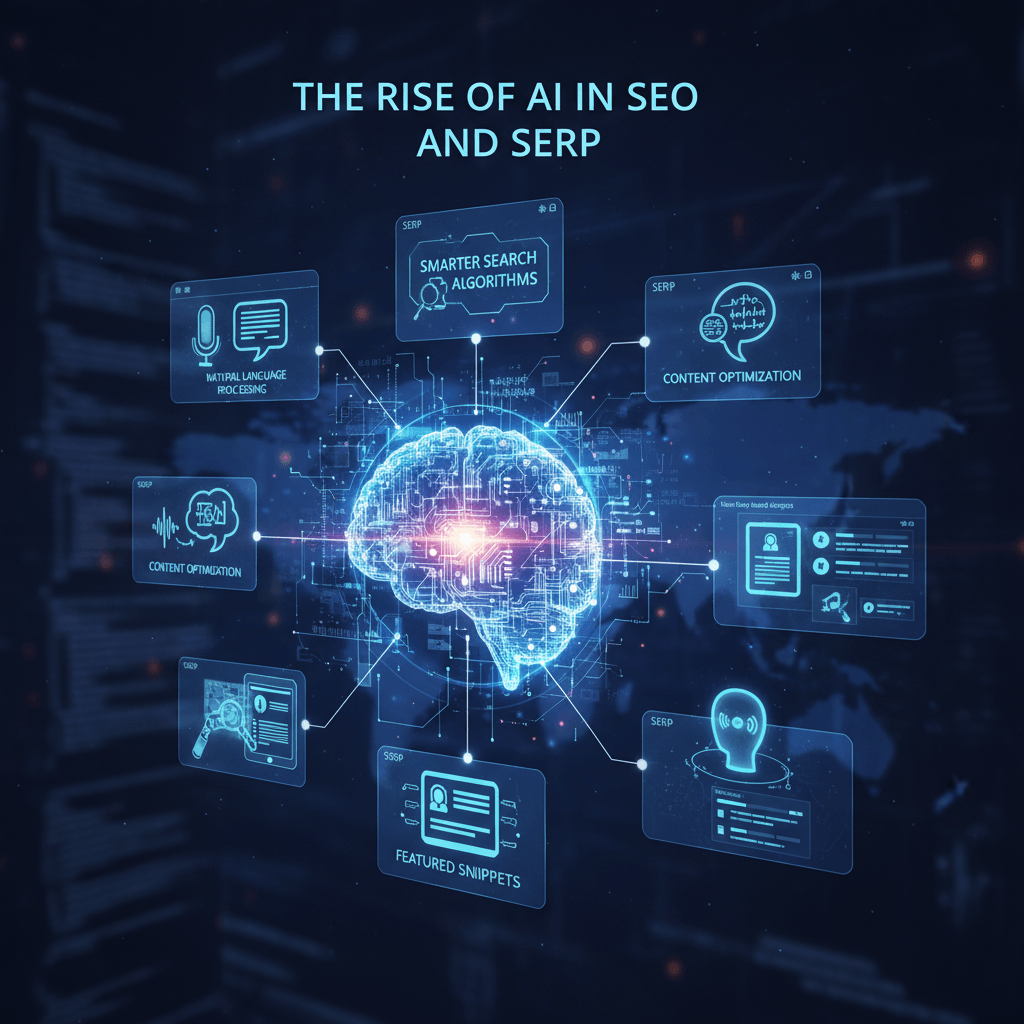
- Smarter Search Algorithms: Search engines like Google have been steadily incorporating AI-powered algorithms to better understand user intent, context, and the relevance of content. These advancements have led to more accurate and personalized search results, reshaping the SERP landscape.
- Natural Language Processing (NLP): AI-driven NLP techniques have revolutionized the way search engines comprehend and interpret user queries. By understanding the nuances of natural language, search algorithms can provide more relevant and useful information to users.
- Content Optimization: AI-powered tools and platforms are increasingly being used to optimize content for SEO, from keyword research and content generation to on-page optimization and performance analysis.
Voice Search and Virtual Assistants: The rise of voice-based search and virtual assistants, such as Alexa and Siri, has introduced a new dimension to SEO. These AI-powered technologies require a different approach to content optimization and keyword targeting.
The Impact of AI on SEO and SERP
- Increased Personalization: AI-driven search algorithms are capable of personalizing SERP results based on a user’s search history, location, device, and other factors. This can have a significant impact on how content ranks and is presented to individual users.
- Evolving Ranking Factors: As search engines become more sophisticated, the factors that influence SERP rankings are also evolving. AI-driven algorithms may place greater emphasis on factors such as user engagement, content quality, and semantic relevance, rather than traditional keyword-focused strategies.
- Automated Content Generation: AI-powered tools can generate content, including blog posts, product descriptions, and even meta tags, which can impact the way search engines perceive and rank websites.
- Predictive Analytics: AI-powered analytics tools can provide valuable insights into user behavior, search trends, and content performance, enabling SEO professionals to make more informed decisions and optimize their strategies accordingly.

Adapting to the AI-Driven SEO Landscape
- Embracing AI-Powered Tools: Leveraging AI-driven tools and platforms can help SEO professionals stay ahead of the curve, from content optimization to performance analysis and beyond.
- Focusing on User Experience: As search engines prioritize user satisfaction, SEO strategies should shift towards creating high-quality, engaging, and relevant content that caters to the needs and preferences of the target audience.
- Mastering Semantic Optimization: Understanding the semantic relationships between keywords, content, and user intent will become increasingly important in an AI-driven SEO landscape.
- Continuous Learning and Adaptation: The SEO landscape is constantly evolving, and SEO professionals must be willing to adapt their strategies and stay up-to-date with the latest AI-driven developments and trends.

Striking the Right Balance: AI and Human Expertise
While AI is undoubtedly reshaping the SEO landscape, it is not a replacement for human expertise and creativity. The most successful SEO strategies will involve a harmonious blend of AI-powered efficiency and the unique human qualities that are essential for effective digital marketing.
- Leveraging AI for Scale and Efficiency: AI can be a powerful tool for automating repetitive tasks, conducting in-depth data analysis, and generating initial content drafts. This frees up time and resources for SEO professionals to focus on higher-level strategy and creative content development.
- Infusing Human Creativity and Empathy: AI may excel at data analysis and optimization, but it lacks the nuanced understanding of brand identity, customer pain points, and the ability to craft truly compelling narratives. This is where human SEO professionals can shine.
- Maintaining Editorial Oversight: While AI-generated content can be a valuable starting point, it requires human review and refinement to ensure accuracy, brand alignment, and the unique insights that only a human expert can provide.
- Aligning AI with Business Objectives: Effective SEO strategy goes beyond simply improving search rankings. It requires a deep understanding of the broader business goals and the ability to align AI-powered tactics with long-term, revenue-driving objectives.

Conclusion
In the evolving world of SEO, AI is undoubtedly reshaping the landscape, but it is not a replacement for human expertise. By embracing AI-powered tools and technologies, while maintaining a strong focus on user experience, semantic optimization, and the unique qualities that only humans can provide, SEO professionals can navigate this dynamic landscape and ensure their websites remain visible, relevant, and successful in the ever-changing digital world.